I am from the Apatani community in the Ziro Valley of Arunachal Pradesh. Our valley is small and enclosed by hills, which means land and water have always been limited. That is why farming here could never be careless or wasteful.

Indigenous Voices
Nima Tasso
Contribution by tribe: Apatani paddy-cum-fish farming.
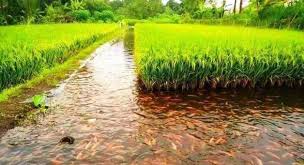
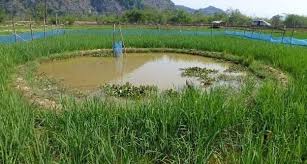
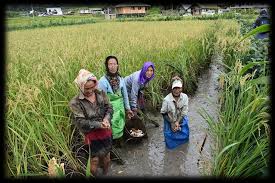
What we practice is known as paddy-cum-fish culture. Rice and fish are grown together in the same fields through a carefully regulated network of bamboo channels. Water is diverted, slowed, and released at specific points so it never stagnates or floods. The channels are not random. They are placed to balance flow, temperature, and oxygen so both rice and fish can thrive.
Fish feed on insects and weeds, reducing pests naturally. Their movement loosens soil and improves aeration. The rice shades the water and keeps temperatures stable. Because the system is balanced, chemical fertilizers and pesticides are unnecessary. Instead, the fields are managed through timing, spacing, and constant observation of water levels.
Maintenance is part of the system. Channels are cleared, embankments are repaired, and the flow is adjusted after rains. The work is steady and shared because one blocked channel can affect multiple plots. This is not just a farming method. It is a coordinated way of managing a tight, closed ecosystem.
Yields are reliable, not excessive. The fish provide protein, and the rice provides the staple grain. The strength of the system is that it produces food without exhausting the soil. Because the field never fully dries, weeds are controlled and the soil structure stays intact.
Agricultural scientists now study this system as a model of sustainable wet rice cultivation. For us, it was never sustainability as a concept. It was survival in a closed ecosystem where imbalance meant hunger.