I am Irula from Tamil Nadu. My community has worked with snakes for generations, not out of fascination, but necessity. We know how to read the ground, identify species, and handle venomous snakes without panic. That knowledge begins long before any extraction. It starts with tracking, patience, and understanding how a snake moves through soil and undergrowth.
Indigenous Voices
Selvi Maran
Contribution by tribe: Irula snake venom stewardship.
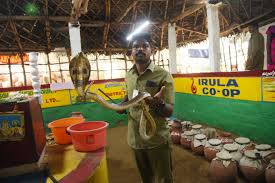
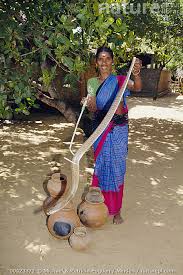
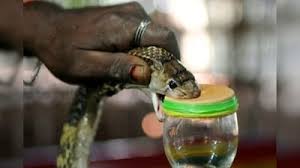
Our most significant contribution is snake venom extraction used in antivenom production. Venom must be collected precisely and safely. A mistake can cost a life. The animal is handled carefully, kept calm, and released after collection. The process is timed to reduce stress and prevent injury to both the handler and the snake.
Identification matters because antivenom depends on the right species. We are trained to distinguish snakes by scale patterns, movement, and habitat cues. One misidentification can lead to the wrong venom mix, which means the medicine may fail in an emergency.
Today, most antivenom used in Indian hospitals depends on venom collected by Irula families. Doctors rely on it every day, often without knowing where it begins. The supply chain starts in the field, moves through proper storage and labeling, and ends in laboratories where venom becomes life-saving serum.
This knowledge is not instinct. It is applied toxicology refined over generations, built through observation, risk, and responsibility. It requires discipline, not bravado. Every extraction is a reminder that skill is measured by how safely and consistently it can be repeated.