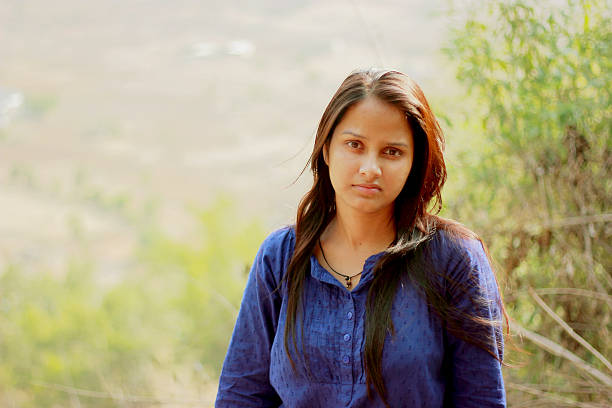
“I grew up in Yavatmal, in eastern Maharashtra. At home we speak Varhadi. When I moved to Nagpur for junior college, the first thing people noticed was my accent. Teachers corrected me gently at first, then publicly. "Say it properly," they'd say, repeating my sentence in standard Marathi. Once, during roll call, a teacher joked that I sounded like I was "still in the village." Everyone laughed. I laughed too, because it felt safer.
After that, I started changing some things about myself. I switched to English when I wasn't confident in Marathi. I rehearsed sentences before speaking. I stopped telling stories because they always sounded wrong halfway through. The worst part was going home and realizing I was correcting my parents without thinking.
In my second year, we had a literature assignment that involved oral storytelling. I asked if I could tell a story the way my grandmother told it to me. The teacher hesitated, then said yes, but asked me to translate parts so others could understand.
I stood in front of the class and told the story in Varhadi anyway. Not fully. But enough that the rhythm stayed intact. Some people looked confused. A few smiled. When I finished, there was a pause that felt longer than usual. Nobody clapped. The teacher just nodded and moved on.
After class, two students came up to me. One said her family spoke Khandeshi and she never used it outside home. Another said she missed the way people spoke back in her district but didn't know how to bring it into college without sounding uneducated.
That's how the idea of Story Circles started. I just booked an empty classroom after hours and put up a handwritten note saying people could come and share stories in any language they were comfortable with. The first time, six people showed up. Some told stories. Some just listened. One person cried because it was the first time she had spoken her home language out loud in years.
Over time, more students came. Someone brought their grandmother once. Another student started translating quietly for friends who didn't understand.
By the end of the year, the college allowed us to reserve a room officially. We named the group Bolnyacha Varta (Conversations).
I still switch languages depending on where I am. That hasn't changed. But I no longer feel like fluency means leaving something behind. I learned that sometimes tolerance doesn't come from convincing people. It comes from creating a space where nobody interrupts.